
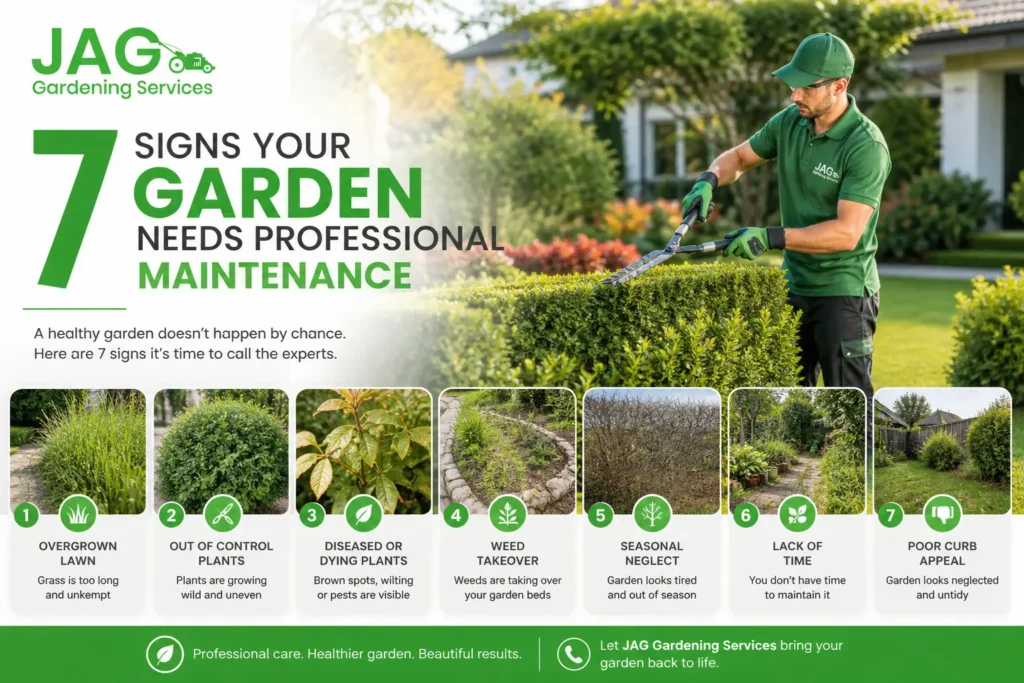
At the start of the season, many homeowners feel ready. Lawns get mowed, edges look sharp, and flower beds are clean. Then work picks up. Family needs show up. Weekends get booked. By the time you notice, weeds are back in the cracks, the hedge looks uneven, and that “quick tidy” job is still sitting on your list.
If that feels familiar, you are not the only one. In Auckland, plenty of homeowners find that a garden needs steadier attention than they first expected, especially after plants settle in and start growing fast.
Getting help for garden work does not mean the garden is a problem. It also does not mean you did something wrong. Often, the tasks take more time than you can spare now. Other times, the plants grow faster than the routine you set up at the beginning. In this piece, we look at seven common signs that your garden may need professional garden maintenance Auckland, along with when you can probably keep handling it yourself.
How Do You Know When Your Garden Needs Professional Maintenance?
When you can’t keep up with the chores to keep the garden neat, it is a sign you need help. Often you will see new weeds quickly take hold. Hedges and lawns can start to lag. You may also notice the same plants growing back too fast. By the time one season is almost done, the next list of tasks is already starting.
| Sign | What It May Mean | When Professional Help May Be Useful |
| Garden keeps becoming overgrown | Growth is outpacing your maintenance routine | Catch-up tidy-ups are becoming frequent or time-consuming |
| Weeds keep coming back | Weed control needs more consistency than occasional weeding provides | Weeding has become an ongoing workload |
| Lawn and edges untidy between mows | Mowing or edging isn’t keeping pace with growth | A larger lawn or busy schedule makes consistency difficult |
| Hedges, shrubs and plants falling behind | Pruning and shaping needs are being missed | Regular hedge and shrub care is hard to fit in |
| Garden beds look neglected | Beds need weeding, mulching or general attention | Beds are consistently untidy despite effort |
| Seasonal jobs keep building up | Seasonal tasks are stacking on top of routine maintenance | Spring, summer, autumn or winter jobs are being missed |
| Maintenance keeps getting postponed | Time constraints are affecting your ability to keep up | Jobs are consistently pushed back week after week |
Sign 1: Your Garden Keeps Becoming Overgrown
Overgrown does not always equal a wild jungle. Most times it is just that plants have grown faster than the last cleanup. You may see new growth forcing its way out of the usual lines. Weeds can creep into the beds, and borders start to feel messy. Shrubs also fill in and become harder to deal with.
Overgrowth can snowball. A bed that looks a bit messy can be handled in a short session. If you leave it for another month or two, weeds will have time to spread seed. Shrubs will also keep getting bigger. Then it takes much more effort to get everything back in order. Getting back on track later often means spending more total hours than it would have taken to keep up each time.
A quick walkthrough about every one to two weeks can help. Even a simple check of spots that look crowded or messy can catch trouble early. Then you avoid a bigger task later.
Sometimes it is a one-time issue. For example, after a long trip, a single garden tidy might solve it. But if the same problem shows up again every few months, even after you try, then it may be better to hire a garden pro on a steady schedule.
Sign 2: Weeds Keep Coming Back Faster Than You Can Control Them
Weeds show up in most gardens. In fact, some weeding now and then is just part of the job. The bigger point is this. There is a difference between light, occasional weeding and a setup where weed work keeps growing into its own routine.
The key is how steady you are, not how hard you go. A garden that is only cleaned every couple of months can end up looking worse than one that gets help each week or two. If you pull weeds when they are small and before they set seed, the job is usually easier. It is far harder once weeds have already spread and taken hold.
If you work the same beds every few weeks and it still feels like things are getting away from you, then your approach might not match your garden’s growth speed. A more regular plan for care, done on a set schedule tied to the yard, can help keep weeds from getting out of control between visits.
Sign 3: Your Lawn and Garden Edges Become Untidy Between Mowing Sessions
Grass growth shifts during the year based on rain, warmth, and the season. So seeing longer blades now and then is not a big surprise. What matters is a clear cue: the lawn and the border stay messy for weeks, long before the next planned cut.
Easy trimming can get overlooked. Many people assume it is part of the same work as mowing, but it is a separate step. A yard may be mowed many times and still look uneven, mainly where grass touches flower beds, sidewalks, or fence borders.
For some homeowners with a small, simple yard, mowing and edging on their own can be fine. Things get harder when the yard is large, has odd angles, or when life makes it tough to keep a steady weekly or every-other-week routine.
Sign 4: Hedges, Shrubs and Plants Are Falling Behind on Regular Care
Hedges and shrubs often need more care than people assume. If you do not clip a hedge for a while, it can lose its neat form. Shrubs that go unpruned for months may turn tall and uneven. Even simple tasks matter, like looking for dead twigs, removing damaged parts, and tidying faded blooms. When you are busy, support ties and plant checks can also be easy to skip.
A quick look at your plants, on a regular basis, helps a lot. A quick walk around the garden can help spot issues early. When you fix small things fast, it is often less work than waiting.
If hedge trimming, pruning, and simple care keep getting delayed, getting someone to help can keep the garden on schedule. A routine also helps so the jobs do not stack up.
Sign 5: Your Garden Beds Look Neglected
You may notice weeds taking hold between existing plants. Mulch can start to crumble and stop blocking weed growth. Plants may crowd each other until they look tight. Dirt and leaf bits can gather fast. After a while, the bed starts to look nothing like what you first pictured.
A bed that got ignored does not always call for a full redo. Often, a good tidy job is enough. Add fresh mulch and do a few normal checks. That can get the layout back on track. If plants have spread too much, thin them out. If some plants no longer match the space, replace them. A plant refresh done by season can make the bed look neat again. It can also make care simpler.
If you want less work later, go with a gardening approach that is easier to manage. Choose plants that handle your light and soil. Put mulch down in a way that helps, not in a way that smothers. Small decisions like these can make the bed stay in better shape year after year.
Sign 6: Seasonal Garden Jobs Keep Building Up
Garden work shifts when the weather shifts. Every time the year turns, new chores appear. You still do the usual tasks, like mowing the lawn, removing weeds, and tending plants. Spring goes by quickly. Fresh shoots show up in yards, along hedges, and in flower beds. You may end up spending more hours out there for a short while. Summer can feel hectic. Watering may be needed more often as days get hotter. Grass often needs another mow before it settles down, because growth keeps going. Autumn changes the focus. Leaves drop, and plant scraps gather in corners. You need to clear it out before cold weather arrives and stays. Winter slows the pace, but it does not stop. You may be trimming and reshaping plants. The aim is to set things right so the garden is ready again later.
One job at a time is usually fine. Problems begin when the busy season lands while you also have your routine. Days that seemed simple can become days for extra cleanup or more cutting. Before you know it, the hours are gone. If this repeats year after year, it helps to plan. You can change your schedule or book extra help for the busiest weeks.
Sign 7: You Keep Putting Garden Maintenance Off Until “Next Weekend”
Lots of folks recognize this kind of thing. It does not mean you are giving up. Yard work has a way of piling up. One quick chore leads to another. You yank a few weeds, and then you spot that the lawn is too long. After that, you notice the hedge looks ragged and needs a cut. At first, each task seems small, so it is easy to put off. Then days pass, and the same jobs start to feel like one long list. Soon you look at everything at once, and it feels like a big burden, even if it began with little steps.
If your time is tight, getting help early is smart. You do not have to wait until everything feels like it is slipping. Garden care can be set up around what your yard needs right now. Then you schedule the tasks and keep them from stealing your spare hours.
Does Every Untidy Garden Need a Professional Gardener?
No. A messy yard does not always mean you must pay someone. For many people, doing it yourself still makes sense.
DIY usually goes fine when the space is small, or the layout is not too hard to manage. It also helps if the plants you choose do not demand much care, or if they fit the ground and the light where you live. If you can set aside time on a steady basis, your chances are higher. Even when it takes work, you may feel like you can keep up, at least for now.
It may be better to call a pro when the yard is big, or when the beds and planting are complicated. If weeds or fast growth keep coming back even after you try, that is another sign. When chores come up often and they do not fit your week, outside help can be less stressful. If the work keeps getting pushed back, you might need support. Also, if the garden is too far gone and needs a fresh start before routine care can stick, hiring help can be the practical move.
There’s no single right answer — it depends on your garden’s size, planting density, seasonal growth, and how much time you genuinely have.
One-Off Garden Tidy-Up vs Regular Professional Maintenance
A one-off garden tidy-up is generally used to reset a garden that’s fallen behind, clearing overgrowth, tackling weeds, and bringing hedges, lawns, and beds back to a reasonable standard in a single visit or short project.
Regular professional maintenance is an ongoing arrangement on a set schedule, designed to keep a garden consistently tidy and prevent the build-up that leads to needing a bigger reset in the first place.
| Option | Best For | Main Purpose | Example Situation |
| One-off tidy-up | Gardens that have fallen behind | Bring an overgrown garden back to a manageable state | Returning from a trip to an overgrown garden, or preparing a property for sale |
| Regular maintenance | Gardens needing consistent upkeep | Prevent overgrowth and maintain a tidy garden over time | A busy household struggling to keep mowing, weeding and hedge care on schedule |
The right choice depends on the garden’s current condition and your goals. Some homeowners start with a tidy-up, then move to regular maintenance once the garden is back under control.
Can a Low-Maintenance Garden Reduce the Amount of Professional Help You Need?
A well-planned garden can cut down on day-to-day work. Still, you will not get a fully hands-off yard. The plant choices are a big deal. If you pick plants that fit your ground, your light level, and your local weather, they usually have an easier time. They are also less likely to get out of bounds or demand constant fixing. The way you set out the beds counts, too. Give plants room to grow. When plants are too tight, they compete and turn into a hard mess to manage. In that case, pulling weeds takes longer.
Mulch helps in a very direct way. It slows weed growth and holds water in the soil. That means fewer weed sessions and less time with the hose. If your design thinking includes the future, not only the first look, the garden stays neat with less effort across the seasons.
What Can a Professional Garden Maintenance Plan Help With?
The maintenance plan should match your property and the needs you both agree on. Garden layouts can be very different. In most agreed plans, the service can cover weeding beds and borders, cutting back shrubs and plants, trimming hedges, and shaping them. It can also include general care of garden areas, tidying up, seasonal work, lawn mowing if that is part of the deal, and basic plant care. Garden cleanup and green waste removal are often included too.
Some items do not automatically apply to every plan. The exact list of tasks should be discussed with you and agreed based on what your garden really needs.
How to Decide If You Should Hire a Gardener
- Assess how often the garden becomes untidy — is this rare, or a recurring pattern every few weeks or months?
- Identify which tasks repeatedly get delayed — mowing, weeding, hedge trimming, or a combination?
- Consider the season and current growth — are you heading into a faster-growing period, such as spring or summer?
- Estimate how much time you realistically have — be honest about actual availability, not intentions.
- Decide whether you need a one-off reset or regular support — if the garden simply needs bringing back under control, a tidy-up may suffice; if the pattern is ongoing, regular maintenance is likely the better fit.
Frequently Asked Questions
You may benefit from it if overgrowth, weeds, or untidy lawns and hedges keep recurring despite your efforts, or if garden tasks are consistently postponed. The right decision depends on your garden’s size, growth rate, and how much time you have available.
It’s generally worth considering when maintenance tasks are falling behind regularly, when seasonal growth outpaces your current routine, or when your available time no longer matches what the garden requires — a practical decision based on workload rather than a fixed rule.
It can be worthwhile for gardens that would otherwise fall behind between occasional efforts, since consistent care tends to prevent the larger catch-up jobs that come from letting growth and weeds accumulate. Whether it’s worth it depends on your garden’s size and your available time.
Yes — an overgrown garden can typically be addressed with a one-off tidy-up to bring it back to a manageable state. From there, you can decide whether ongoing maintenance is needed to prevent the overgrowth from recurring.
Frequency depends on the garden’s size, growth rate, and seasonal needs, ranging from weekly to monthly depending on what’s agreed. Faster-growing gardens or busier seasons generally need more frequent visits than smaller, low-maintenance properties.
Fortnightly maintenance is a common schedule and can be sufficient for many gardens, particularly those with moderate growth and manageable size. Larger properties, denser planting, or faster seasonal growth may need more frequent visits to stay consistently tidy.
Yes — weeding and hedge trimming are common tasks in professional garden maintenance, depending on the agreed scope of work for your property, and are often combined with general tidy-ups and seasonal care.
A one-off tidy-up suits a garden that has fallen behind and needs a reset, while regular maintenance suits a garden that needs ongoing, consistent care to prevent that build-up happening again. The right choice depends on the garden’s current condition and your long-term goals.
Final Thoughts: When Professional Garden Maintenance Makes Sense
A garden doesn’t need to be in poor condition before it’s worth getting help with. Often the signs are simply practical ones: recurring overgrowth, weeds outpacing your efforts, hedges and beds falling behind, or maintenance that keeps getting pushed to “next weekend.”
Professional garden maintenance in Auckland tends to make the most sense when keeping up with the garden has become consistently difficult, time-consuming, or stressful, rather than an occasional inconvenience. For some homeowners, DIY care remains entirely workable. For others, particularly those with larger properties, denser planting or limited time, regular support can make the difference between a garden that’s a source of stress and one that’s simply enjoyable to have.
Not Sure What Level of Garden Maintenance You Need?
If you’re finding it harder to keep up with your garden a lawn that never quite looks mowed for long, hedges that have lost their shape, or beds needing more attention than you can give them Jag Gardening can help you understand what work is actually needed and discuss a practical maintenance approach for your Auckland property.
Whether you’re weighing up a one-off garden tidy-up, fortnightly maintenance, or something in between, getting an outside perspective on your garden’s specific requirements can make the decision much easier.