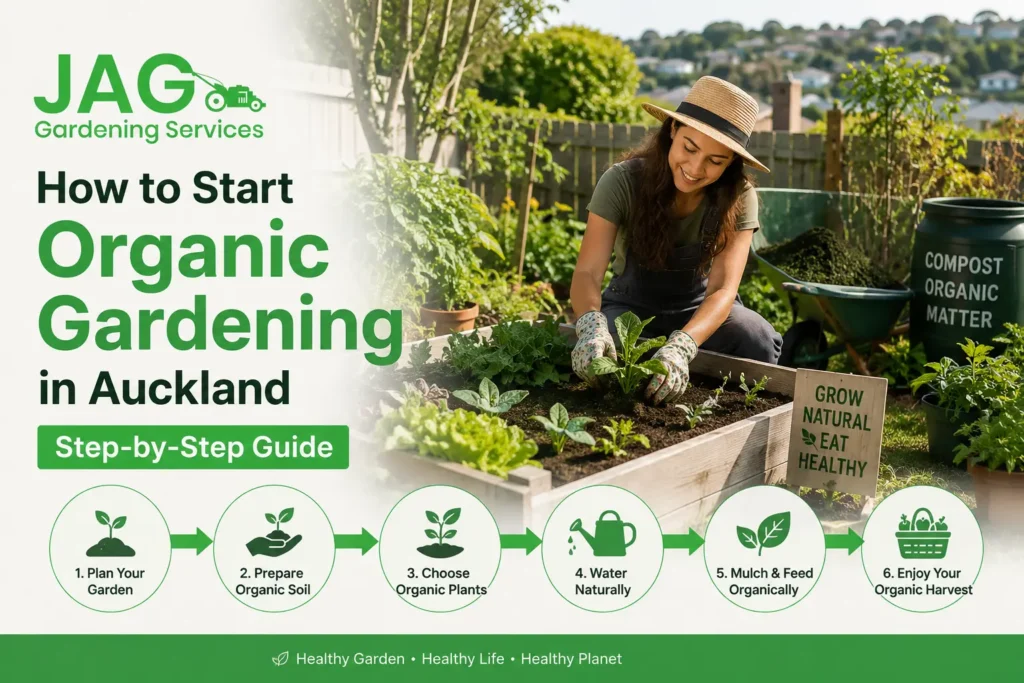
A lot of researchers expect organic gardening in Auckland to be confirmed, but it is the regions moderrate, cool, wet climate and heavy clay soils. Growing your own food, whether to have a few vegetables in a little boxed Kingsland courtyard or creating raised beds on the North Shore, is all based around the same principles: good soil, right plants for the season, and no nasty synthetics disrupting an ecosystem that you are trying to grow.
Why Auckland’s Climate Suits Organic Gardening
Auckland’s mild subtropical climate characteristics with fairly warm, humid summers and mild but dry winters, coupled with reliable rainfall, offer the average gardener a longer growing season than most of the rest of New Zealand. Which is good news for organic growers, you can keep a garden going almost all year without the need for artificial warmth or harsh chemicals. A downside, of course, is humidity, which favours fungal disease and weed growth, meaning that organic pest and weed control strategies are much more essential here than in dry regions.
The main challenge is soil. Much of Auckland is located on clay or deep volcanic loam, which can be relatively heavy, slow-draining, and organic-matter poor from the point of view of hlubt. The bright side clay soil is nice at holding on to nutrients as long as you fix its structure, which is what natural strategies are designed to do.
Step 1: Choose and Assess Your Site
Select a place that receives no less than 6 hours of direct sunlight daily; most fruiting veggies (tomatoes, courgettes, beans) will need this to grow correctly. Avoid low-lying areas which flood after Auckland’s larger rainstorms, and make sure the site is not downhill of a driveway or manicured lawn: runoff could wash leftover chemicals into your beds.
Soil Test: Test the pH and the structure of your soil before growing anything. A home test kit is easy to do, and will tell you if you too are acidic (which Auckland volcanic & clay soils tend to be by a long shot). The majority of vegetables prefer a pH Level between 6.0 and 7.0. That little test hole, perhaps fist-width in diameter and a few feet deep, which can provide all sorts of information as to how water is moving through your section or the nature of the subsoil, and it’s inexpensive!
Step 2: Build an Organic Soil Preparation Plan
Organic soil preparation is the building block of the entire garden. This step is the number one reason beginner gardens fail. Start by clearing the bed area of grass and weeds, then add plenty of organic matter: well-aged compost, sheep pellets, or very old manure. Coarse-organic-matter mulch surfaces, like composted bark or pumice in named Auckland clays, improve drainage immensely.
At this stage, avoid using synthetic fertilisers. Instead, rely on:
- Compost – causes better structure and provides food to the soil biology
- Blood & bone — natural source of nitrogen and phosphorus, slow release
- Kelp or seaweed extract provides smaller amounts of trace minerals and supports root growth
- Cover crops (green manure) – mustard or lupin, truncated and buried in the soil before blooming, have an organic way of supplementing and N-fixing.
If you are faced with compacted clay soil (which many people are), then the built-in flexibility of raised garden beds is huge, allowing you to control the quality of the soil from day one, instead of waiting years for whatever lies beneath your garden bed to improve.
Step 3: Start Composting for Your Garden
It achieves that by turning kitchen and garden waste into the rich material your plants need, and at the same time reducing as much of this waste going to landfill as possible. A simple, homemade compost system requires three things in relatively equal proportions: “greens” (vegetable scraps, coffee grounds, fresh grass clippings), “browns” (dry leaves, cardboard, straw), and airflow.
A couple of pragmatic info advice in terms of Auckland weather assessment specifically:
- Prevent your compost bin or pile from turning into mush in downpours by covering it.
- Aerate the pile once every 1–2 weeks to keep oxygen flowing through it and hasten decomposition.
- Don’t add meats, dairy, or diseased plant matter (that invites pests and may bring disease back into your beds)
- In the warmer months in Auckland, this will take around 8–12 weeks to break down fully, although it may be longer over winter.
A worm farm (vermicomposting) is compact, takes a lot less room than composting, and can produce great liquid fertiliser as a byproduct.
Step 4: Choose the Right Plants for Auckland’s Seasons
Growing organic vegetables in Auckland can be successful if you follow a planting calendar that’s right for the region, rather than following general advice designed to grow so-called “cold-weather” crops in other parts of the country.
- Spring (Sep–Nov): tomatoes, courgettes, beans, sweetcorn, basil
- Summer (Dec–Feb): capsicum, cucumber, pumpkin, eggplant
- Autumn (Mar–May): brassicas (broccoli, cabbage), silverbeet, leeks
- Winter (Jun–Aug): garlic, peas, broad beans, spinach
Selecting seasonal plants makes for fewer pests and disease management needs in the first place since stressed, off-season plantings invite problems.
Step 5: Manage Pests and Weeds Without Chemicals
Gardening based on the prevention-first principle, intervention second. Most issues are prevented before they even start with healthy soil and the right plant spacing (to allow for airflow to help mitigate fungal problems, especially in Auckland’s humidity). When pests do appear:
- Companion plants with marigolds, nasturtium, and herbs such as coriander to draw in the helpful insects while fending off more common pests.
- Employ some form of physical barrier: netting or cloches for the very young plants.
- Bigger pests, such as slugs and snails, can be picked out by hand, preferably after rain.
- Organic-approved sprays (neem oil, insecticidal soap) are a last resort and only for the affected plants.
Weeds think a thick cover of mulch (straw, bark, or pea straw) which hinders their growth and maintains water naturally in the earth is an obvious boon through Auckland’s warm, dry mid-years.
Step 6: Water and Maintain the Garden
Consistent, Deep watering is better for strong roots than shallow, frequent watering. In Auckland, it is best to water in the early hours of the morning, reducing evaporation losses and allowing foliage time to dry before evening, which lowers the risk of fungal disease in humid conditions.
Ongoing organic garden maintenance includes:
- Topping up mulch every season
- Choice three: To avoid disease buildup in the soil each year, ask for a different crop family
- Adding fresh compost between plantings on the feeding beds
- Having an eye out for the first symptoms of nutrient deficiency (yellowing leaves, slow growth), and correcting with organic supplements instead of instant synthetic fixes
When to Bring in the Professionals
While a properly designed organic garden is perfectly doable for the average Auckland property owner, soil testing, bed building, and ongoing maintenance are time-consuming – especially when dealing with larger land parcels or commercial premises! And this is where the precious gardening service can play a vital role. Our team can help you make your garden thrive without it being a second job with organic and sustainable gardening assistance in Auckland, including soil preparation, maintenance of gardens, and ongoing care of lawns.
Beyond home vegetable patches, Jag Gardening also supports commercial gardening Auckland, landscaping services, lawn mowing, and garden maintenance across the North Shore, useful if your organic gardening plans extend to a business property, rental, or a section too large to manage solo.
Final Thoughts
There are four main repeatable habits to starting an organic garden in Auckland: First, build your soil; Second, compost regularly; Third, plant with the seasons, not against them; and finally, fourth, use pest prevention over chemical pest control. All these things require no costly tools, just consistency. An Auckland organic garden does become easier each year (not harder) once your soil is healthy.
Frequently Asked Questions
You can prepare a bed and plant within a weekend, but building genuinely healthy soil takes 2–3 growing seasons of consistent composting and mulching. Many gardeners see a noticeable improvement in soil structure and plant health by the second season.
Skipping soil preparation. Planting directly into unimproved clay without adding compost or organic matter is the most common reason beginner vegetable gardens underperform in their first year.
Yes. Auckland’s mild climate supports something in the ground almost every month, provided you match plant choices to the season: leafy greens and brassicas over winter, fruiting vegetables in spring and summer.
Not if you manage moisture. Cover your compost pile during heavy rain and turn it regularly to prevent it from becoming waterlogged and anaerobic, which slows breakdown and creates odour.
Not always, but they’re a practical shortcut on sections with dense clay soil, since they let you control soil quality immediately rather than waiting years for ground-level improvement.
Interest is growing in no-dig gardening (minimising soil disturbance to protect soil biology), companion planting for natural pest control, and community composting schemes, alongside rising demand for eco-friendly garden maintenance services that avoid synthetic fertilisers and pesticides altogether.
Focus on prevention: healthy soil, correct plant spacing for airflow, and companion planting. Reserve organic-approved treatments like neem oil for targeted, occasional use rather than routine spraying.
For larger properties, rental homes, or commercial sites, yes, professional soil preparation and maintenance save significant time and reduce the trial-and-error period that beginners typically go through in their first year or two.
About the Author
And that was your ultimate guide written by the Jag Gardening Team, a gardening and landscaping company in Auckland focusing on organic & sustainable garden care, commercial gardening, and property maintenance across North Shore and wider Auckland Region. The team shares field-tested, practical advice for homeowners who are starting their own organic gardens based on years of experience managing both residential and commercial gardens in the special soil and climate conditions of Auckland.